
By Mary T. O’Sullivan, MSOL
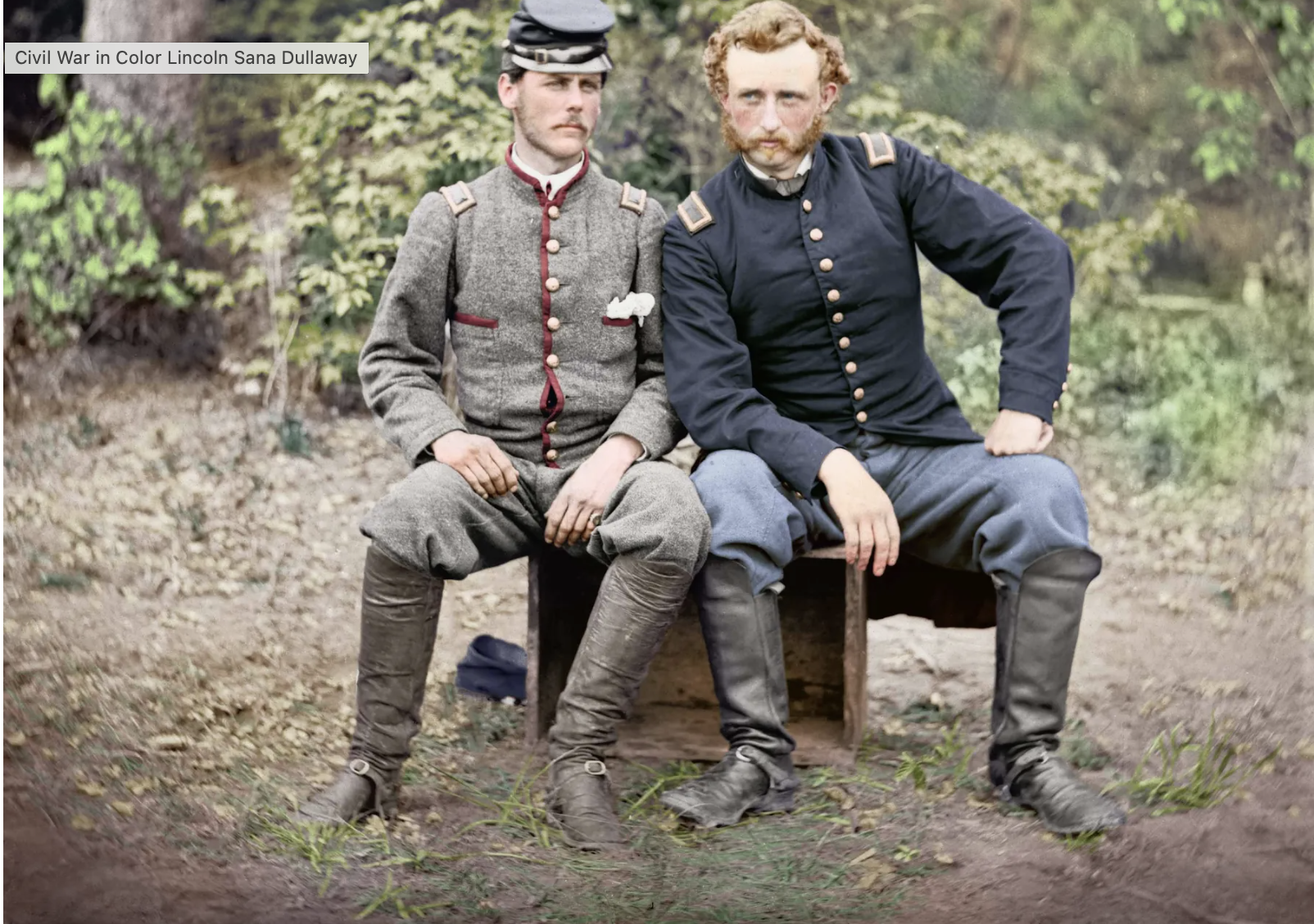
“We are not enemies, but friends. We must not be enemies. Though passion may have strained, it must not break our bonds of affection. The mystic chords of memory, stretching from every battlefield and patriot grave to every living heart and hearthstone all over this broad land, will yet swell the chorus of the Union, when again touched, as surely they will be, by the better angels of our nature.” President Abraham Lincoln
The fatal shooting of conservative activist Charlie Kirk on September 10, 2025, sent a shockwave through an already deeply polarized United States. The public discourse, which for years had been characterized by ideological combat and personal attacks, suddenly confronted a chilling new reality: political violence had once again claimed the life of a prominent public figure. In this moment of national grief and heightened tension, the call for leadership is not merely a political necessity but now a moral imperative. As the nation grapples with the aftermath, the question of how to lead in a time of profound division and escalating animosity finds a potent historical echo in the words and actions of one of America’s most revered leaders, Abraham Lincoln.
Lincoln’s presidency was defined by a national crisis that far surpasses the current moment, but the principles of his leadership in the face of an existential threat to the Union offer a profound roadmap. The Civil War was not merely a political disagreement; it was a violent schism that tore the country apart. Lincoln’s challenge was to navigate this tempest without succumbing to the rage and vindictiveness that surrounded him. His leadership was marked by a steadfast commitment to preserving the Union and a remarkable absence of personal malice and hatred toward his opponents.
This is a crucial lesson for leaders in a post-Kirk America. The temptation and pressure to respond to violence with equally fiery rhetoric, to demonize the “other side,” and to use tragedy for political gain is enormous. However, Lincoln understood that such a course would only deepen the wounds. In his Second Inaugural Address, delivered as the war neared its end, he famously appealed to the nation to act “with malice toward none, with charity for all.” This was not a call for passivity, but for a form of strength that transcends vengeance—a strength rooted in the ultimate goal of national reconciliation of all of the United States.
The immediate aftermath of Kirk’s shooting highlighted the critical importance of a leader’s initial response. The bipartisan condemnation that swiftly followed the news was a powerful and necessary step. Leaders from across the political spectrum, including both Republican and Democratic officials, united to denounce the violence. Utah’s Governor Spencer Cox called it a “political assassination” and emphasized the need to “reject political violence” in all its forms. This initial unity, however, was quickly challenged by the impulse to assign blame and draw partisan conclusions. This is where Lincoln’s example becomes most relevant. His ability to distinguish between the principles he fought for and embrace the humanity of his adversaries allowed him to hold a firm line against division while simultaneously preparing the nation for a future that included their re-integration. For today’s leaders, this means condemning political violence unequivocally, without resorting to the very rhetoric that fuels it. It means recognizing that the tragedy of Kirk’s death is not a victory for one side or a condemnation of the other, but a failure of the collective body politic, meaning Americans, in general, have failed to grasp the basic concepts behind the ideals of our government as envisioned by the Founders.
In his Farewell Address, delivered to his neighbors in Springfield, Illinois, as he departed for Washington D.C., Lincoln spoke with humility about the task ahead. He knew he was facing a “task greater than that which rested upon [George] Washington.” He was not a demagogue, but a reluctant leader burdened by an immense responsibility. That same sense of gravity and self-awareness is what is needed today. A leader’s role is not to inflame passions but to cool them; not to escalate conflict but to seek common ground. This is particularly challenging in the modern media landscape, where algorithms reward outrage and division. The widespread circulation of graphic video footage of the shooting and the subsequent online campaigns to dox and punish those who celebrated Kirk’s death are stark reminders of how quickly a tragedy can be consumed by the current ongoing culture wars. A true leader must rise above this dichotomy, insisting on a focus on shared humanity over political affiliation.
The death of Charlie Kirk also raises profound questions about the nature of free speech and the responsibility that comes with it. As a provocative figure who often engaged in contentious debate, Kirk was a lightning rod for criticism. However, the principle that animates a free society is that ideas are to be debated, not silenced by violence. This is a point President Lincoln understood implicitly. He endured years of vitriolic attacks and personal insults but never wavered in his belief that the Union was worth fighting for, and that the path to a better future was through dialogue, however difficult. He recognized that the ultimate goal was not to eliminate dissent but to manage it within the framework of a functioning republic. For our society, this means reaffirming the value of free expression while also promoting the virtues of civility, empathy, and constructive dialogue. It means creating a space where people can disagree fiercely without resorting to personal attacks or, worse, violence.
In the end, leadership behavior in the face of this tragedy must include a call to action. It is not enough to condemn the violence; we must also address the conditions that allow it to fester. The leadership required is not just from elected officials but from every person who participates in the public forum. It is a leadership that models respect, seeks understanding, and prioritizes national unity over partisan victory. Lincoln’s words, “A house divided against itself cannot stand,” are as relevant now as they were in 1858. The killing of Charlie Kirk is a symptom of a divided house, a tragic and urgent reminder that the health of our republic depends on our collective ability to heal our divisions and find a path forward, guided by principles of justice, charity, and a shared commitment to a more perfect union.
“You are inheriting a country where politics feels like rage. It feels like rage is the only option. But… your generation has an opportunity to build a culture that is very different than what we are suffering through right now.” – Utah Governor Spencer Cox, addressing young people in America